
Our Story

For more than a decade, the Nextier ecosystem has worked at the centre of Nigeria’s hardest development problems, with one aim: to build the society we want to live in. Its founder advised the Presidency on reforming the electricity industry. Nextier built tools that let the national electricity regulator forecast demand two decades ahead, and ran field pilots that halved commercial electricity losses. Nextier SPD built the Nextier Violent Conflict Database, whose 2025 report, “Mutations of Terror and Conflict”, recorded 5,291 violent incidents between 2020 and 2024, which killed or injured more than 20,000 people. Nextier polled rural voters in 12 states before the 2023 elections, and its Power Dialogue has run 119 editions.
That work taught a hard lesson: institutions cannot improve what they cannot see. They struggle when they lack the data to find their weaknesses, the capacity to respond, or the pressure to deliver. Citizens struggle too, when they lack the evidence to judge performance and demand better.
Why a foundation
A consulting firm works for its clients, on their questions, and much of what it learns stays with them. Some of the most important work cannot be done that way. Measuring whether institutions are improving, publishing evidence that the powerful may not welcome, and staying with a problem long after a contract ends all need an organisation that answers to the public.
Nextier Development Foundation was set up for that work. Registered in 2022, it is the independent, not-for-profit, public-interest arm of the Nextier ecosystem. It brings Nextier’s evidence-first method to where it serves the public most directly: vulnerable communities, the public record, and the civic institutions that hold power to account. It draws on the expertise of the wider ecosystem, but it sets its own agenda and publishes what it finds.
What we believe
A functioning society is defined by what it delivers: power that stays on, communities where people are safe, public money that becomes real infrastructure, and institutions that answer to the people. When institutions deliver these things, much else follows – including the growth that lifts people out of poverty. In 2025, some 139 million Nigerians lived in poverty. That is the measure of how much remains to be built.
A functioning society also needs more than capable institutions. It needs citizens, researchers, journalists, and civic groups armed with evidence to scrutinise those institutions and press for results. We must build the society we want to live in. That work begins with knowing what works, what fails, and why – and with aligning the elements needed to deliver the success we desire.
Timeline
- 2022
Registered in 2022, it is the independent, not-for-profit, public-interest arm of the Nextier ecosystem.
- 2022–24
With the Centre for Democracy and Development and UMass Boston’s Center for Peace, Democracy, and Development, we helped build the Africa-wide Democracy Network (DemNet), which connected more than 50 activists in ten African countries holding elections in 2022–24.
- 2026
In 2026, Benue adopted the people-centred model as state policy.
Further reading
SPD · 20 publications
Security, Peace & Development
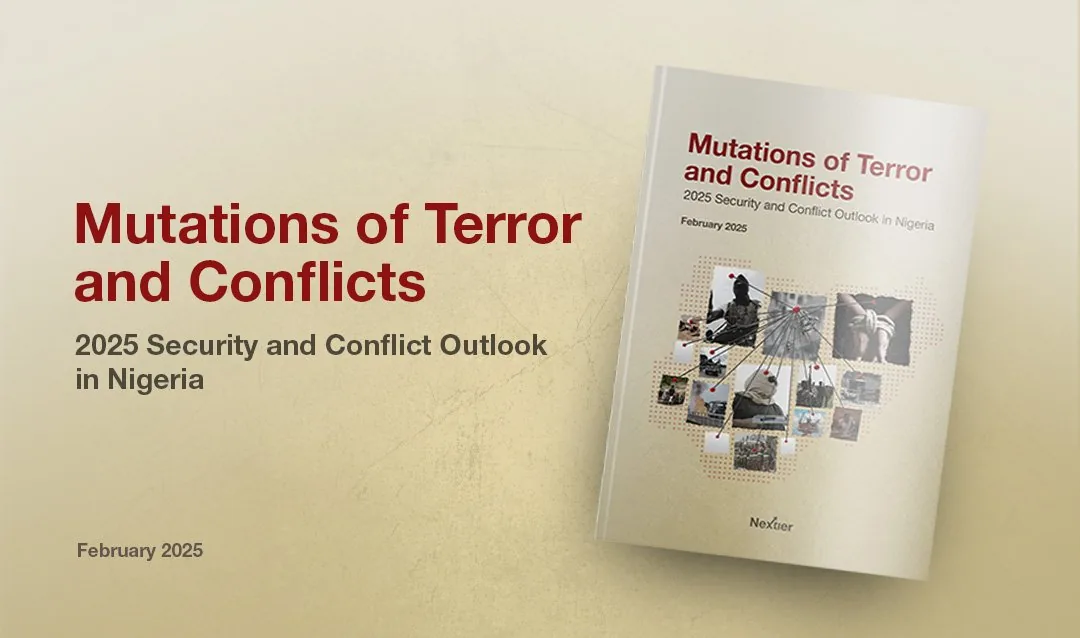
Mutations of Terror and Conflicts
Mutations of Terror and Conflicts is a comprehensive analysis based on insights culled from the Nextier’s Nigeria Violent Conflicts Database. The report is a deep dive into the various patterns and…
PDF
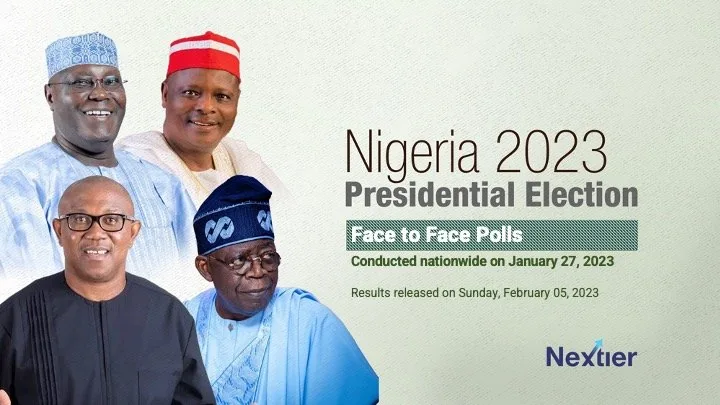
Nigeria 2023 Presidential Election: Face to Face Polls
On January 27, 2023, Nextier conducted a nationwide face-to-face poll of eligible voters in rural and urban communities in Nigeria’s 36 states and the Federal Capital Territory. The polls show Labour…
PDF × 3
Nigeria Security and Safety Perception Wave 2 Survey Report
The second wave of the Nigeria Security and Safety Perception Survey (NSSPS), conducted in July 2026, captures how citizens across all 109 senatorial districts perceive safety, security threats, institutional trust,…
PDF
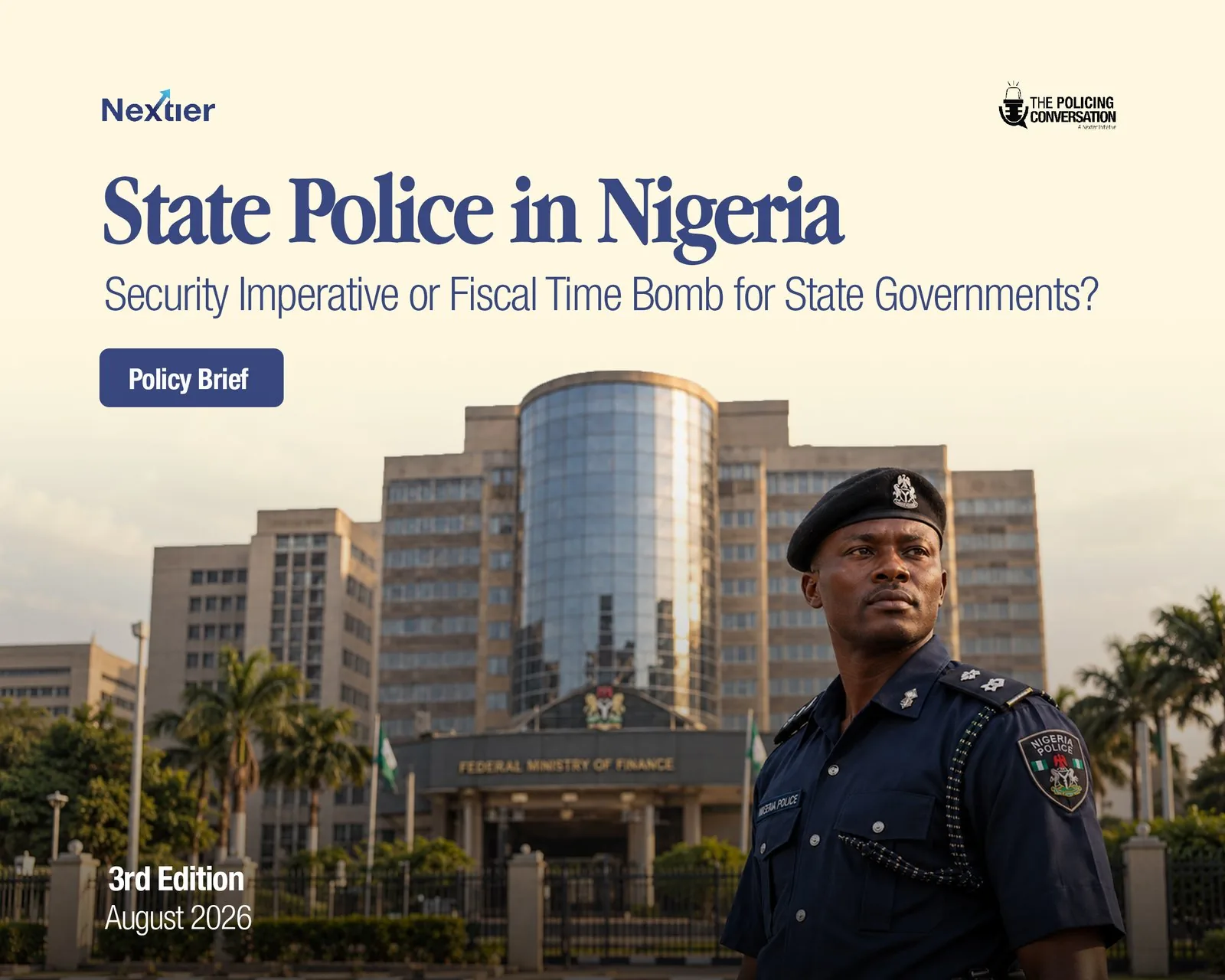
The Policing Conversation: Security Imperative or Fiscal Time Bomb for State Governments
As Nigeria moves closer to establishing State Police, the debate is increasingly shifting from whether it is necessary to whether state governments have the fiscal capacity to establish, operate, and…
PDF
Power · 20 publications
Power
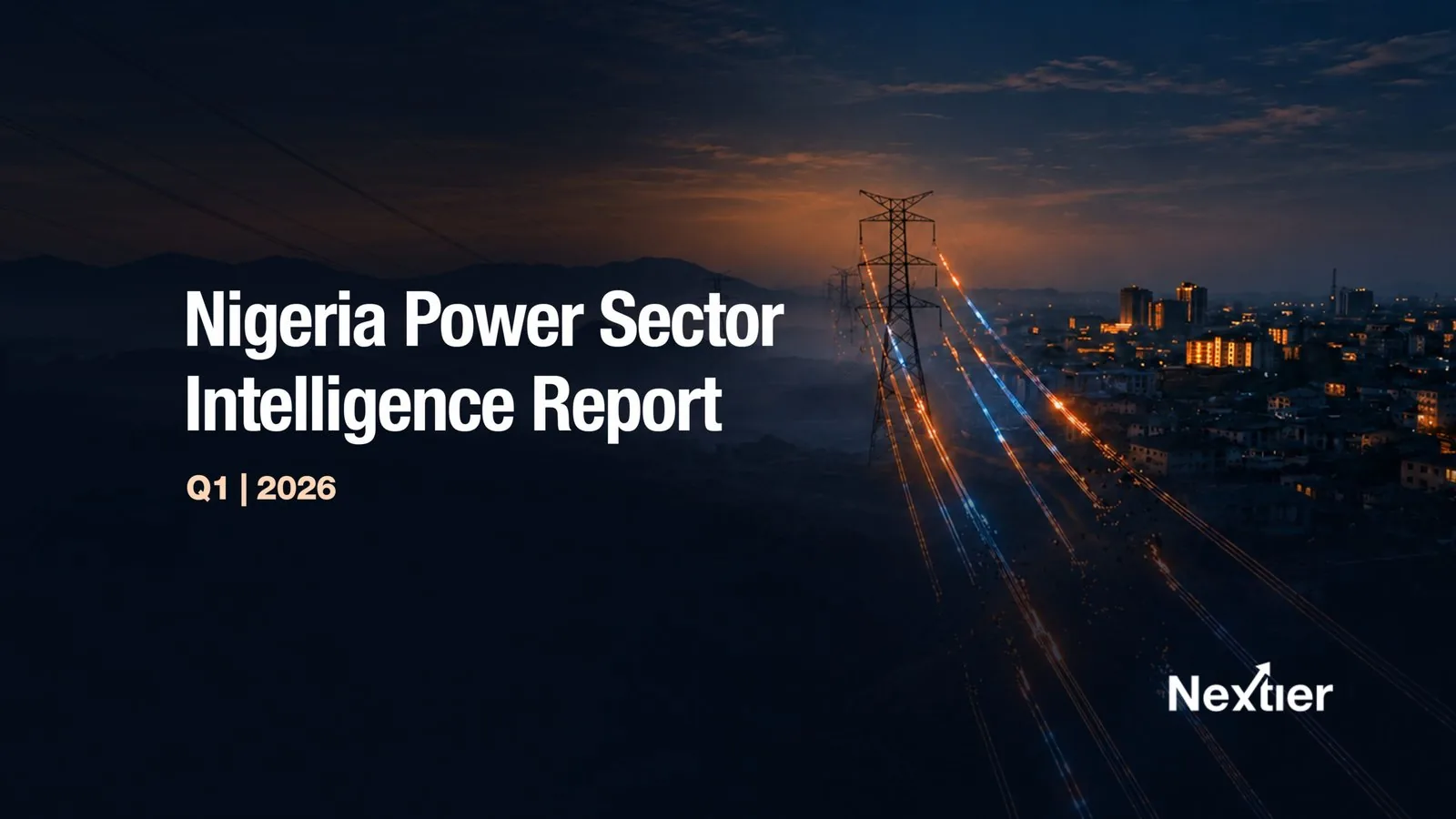
Nigeria Power Sector Intelligence Report — Q1 2026
This edition introduces the Nextier Nigeria Power Sector Market Index (N-PSMI), a quarterly composite score that measures the health of NESI across four dimensions: generation, transmission, commercial viability, and…
PDF
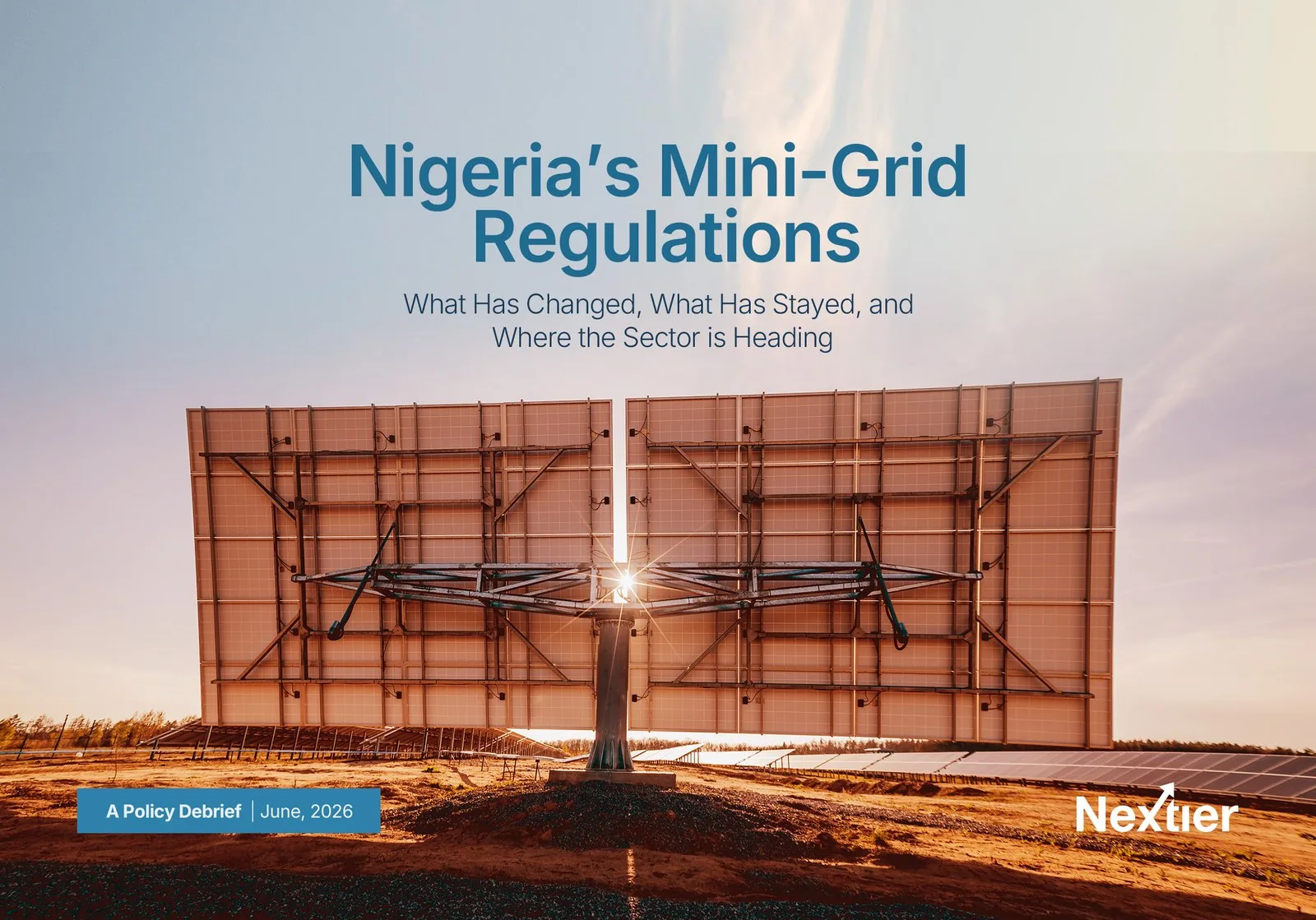
Nigeria’s Mini-Grid Regulations: What Has Changed, What Has Stayed, and Where the Sector is Heading
As Nigeria seeks to connect millions of underserved households, the 2026 Mini-Grid Regulations introduce the clearest signal yet that the sector is entering a new phase of maturity. Larger project…
PDF

Nigeria Cold Storage Sector: Investment Analysis & Market Opportunity
Nigeria doesn’t have a food production problem as much as it has a preservation problem. While millions of tonnes of food are harvested each year, a significant share never reaches…
PDF
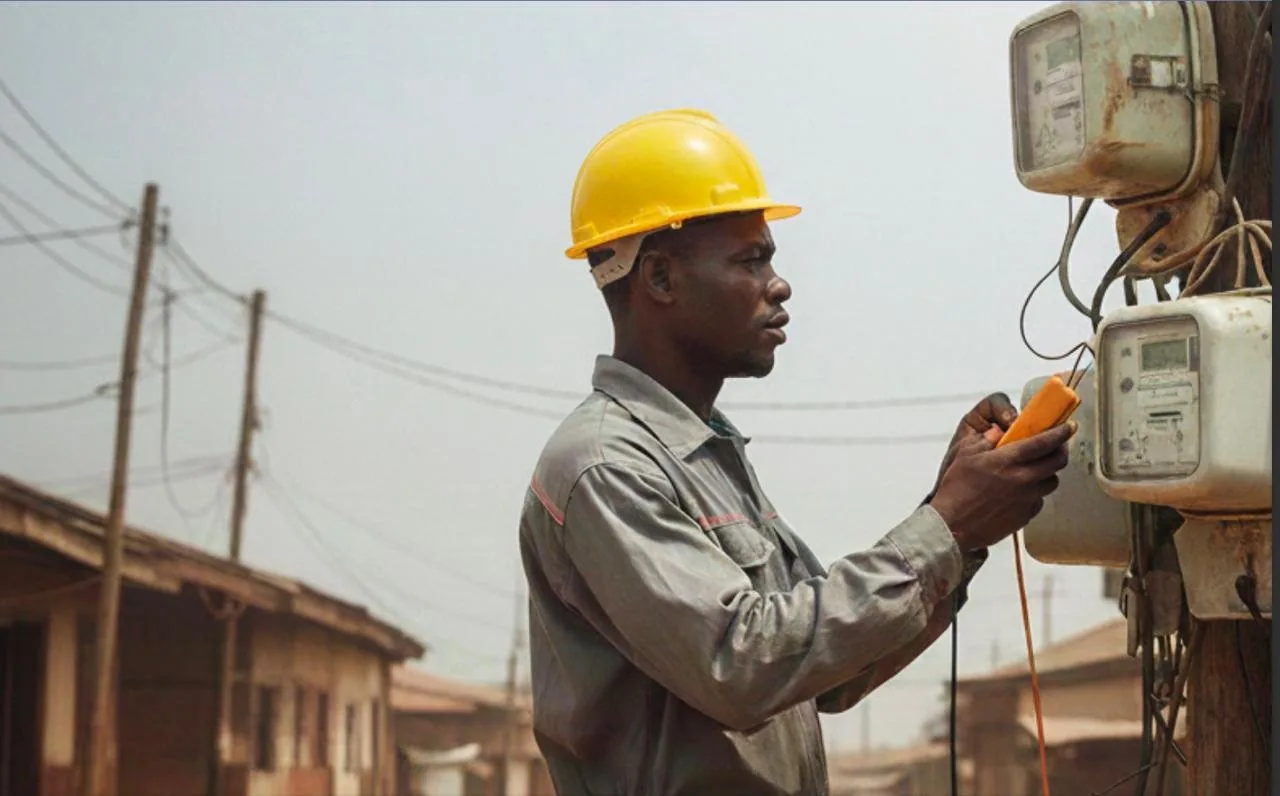
Nigerian Power Sector Intelligence Report: H1 2025
The first half of 2025 exposed a contradiction at the heart of Nigeria’s power sector: record-breaking milestones coexisting with deepening structural insolvency. Although the Transmission Company of Nigeria set a…
PDF
Media and dialogues
Power · 26 videos
Connecting the Dots
 1:24:07Light Bill. Food Bill. Same Bill. | Why food is expensive: a power story
 1:04:05The Cost of Keeping Food Alive: How unreliable power disrupts the food system
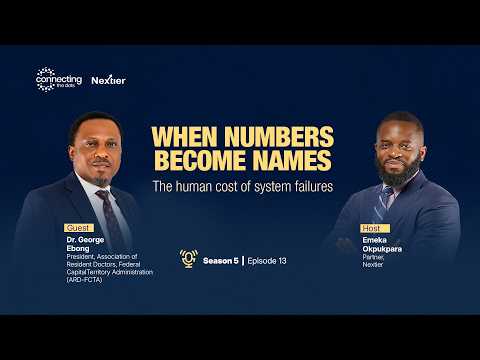 52:35WHEN NUMBERS BECOME NAMES: The human cost of system failures
 56:45THE HUMAN INFRASTRUCTURE: What energy transition means for real lives
SPD · 8 videos
Crossing Perspectives

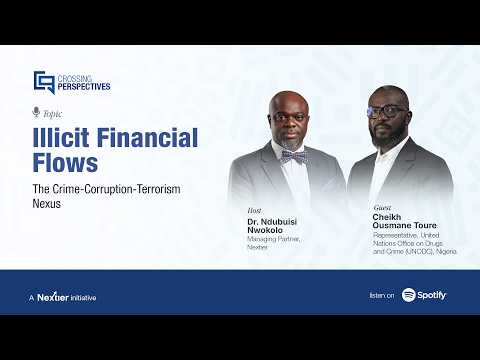


with Patrick O. Okigbo III · 93 videos
Development Discourse
 1:27:28WHAT DEVELOPMENT MISSES: Indigenous Knowledge, Resourceful Design, and Africa's Productive Economy
 1:35:09MODERNITY, AGENCY, AND THE DECOLONISATION TRAP: What African Development Actually Requires
 1:33:37STRONG ORGANISATIONS, WEAK STATES: How Public Institutions Succeed Against the Odds
 1:33:18Negotiating Tradition and Modernity: African Religious Institutions and Governance Dynamics
Source register
Claims on this page marked for citation.
- 2
For more than a decade, the Nextier ecosystem has worked at the centre of Nigeria’s hardest development problems, with one aim: to build the society we want to live in. Its founder advised the Presidency on reforming …
- 3
A functioning society is defined by what it delivers: power that stays on, communities where people are safe, public money that becomes real infrastructure, and institutions that answer to the people. When institutions …
- 1
We are also a partner in the People-Centred Public Safety Initiative, funded by the Open Society Foundations and delivered by a consortium that includes Lawyers Alert, Spaces for Change, CJID, CLEEN Foundation, and …